
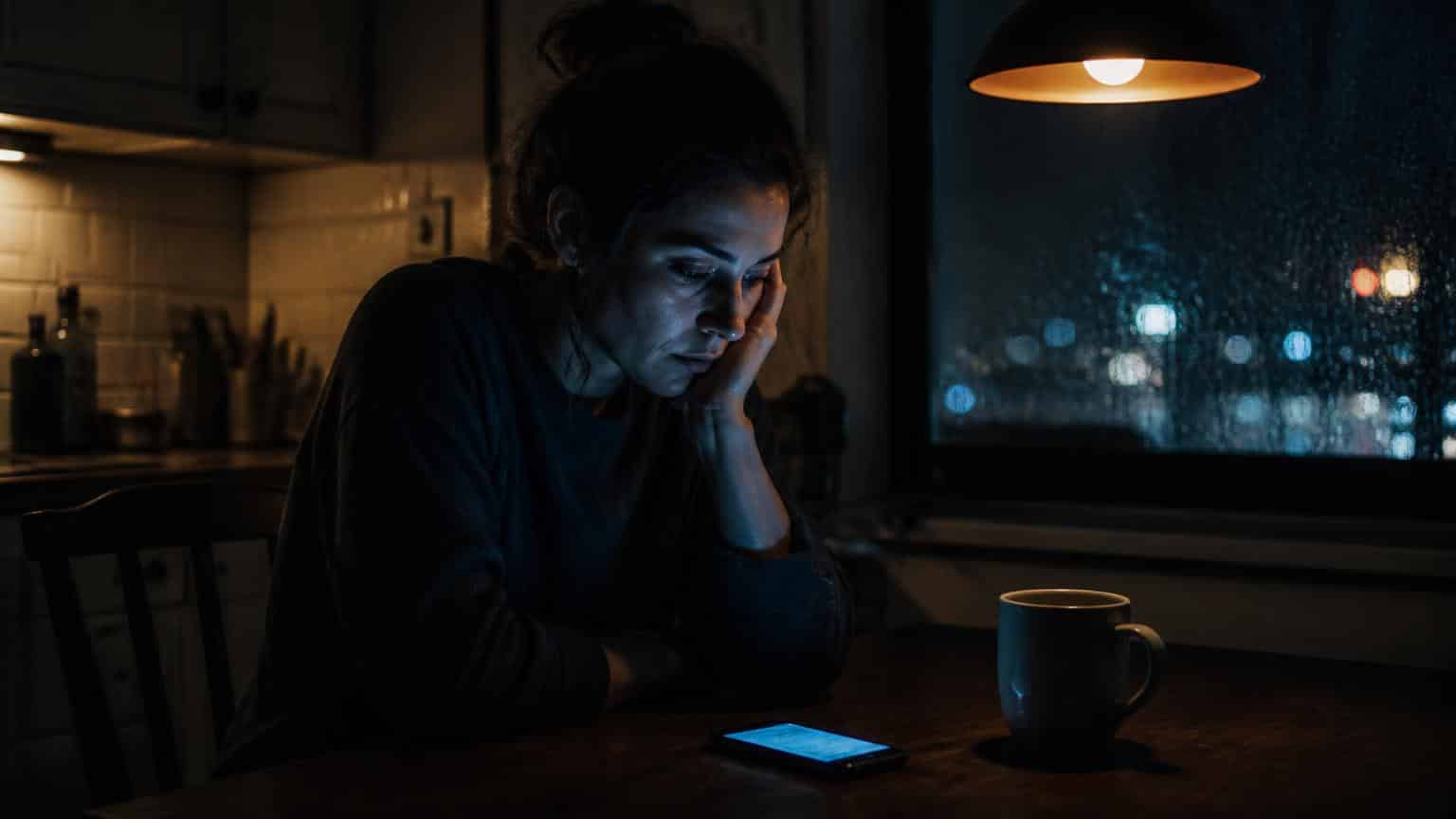
You’ve refreshed the portal fourteen times today. You’ve checked your phone so often it’s become a nervous tic, one that’s hard to explain when someone asks why you keep looking down. Waiting for test results, a job offer, or an answer from someone who promised to call has its own particular kind of exhaustion.
It isn’t regular tired. You can sleep eight hours and still wake up drained because part of you never clocked out.
There’s no diagnosis code for this. No one sends a sympathy card that says, “still haven’t heard back.” But if you’re living through it, you know it’s real.
The waiting has no shape
Most hard things come with some kind of structure. A breakup has a before and after. A loss has a funeral and a date. Eventually, there may be a box where you put the things left behind.
Waiting gives you none of that. It just sits there, open-ended, refusing to say how long it will last or how it will end.
That’s what makes it so tiring. Your mind can’t settle into anything else because a background process keeps running: did they call, did it come, is there an update. Your whole body is paying attention to something you can’t control.
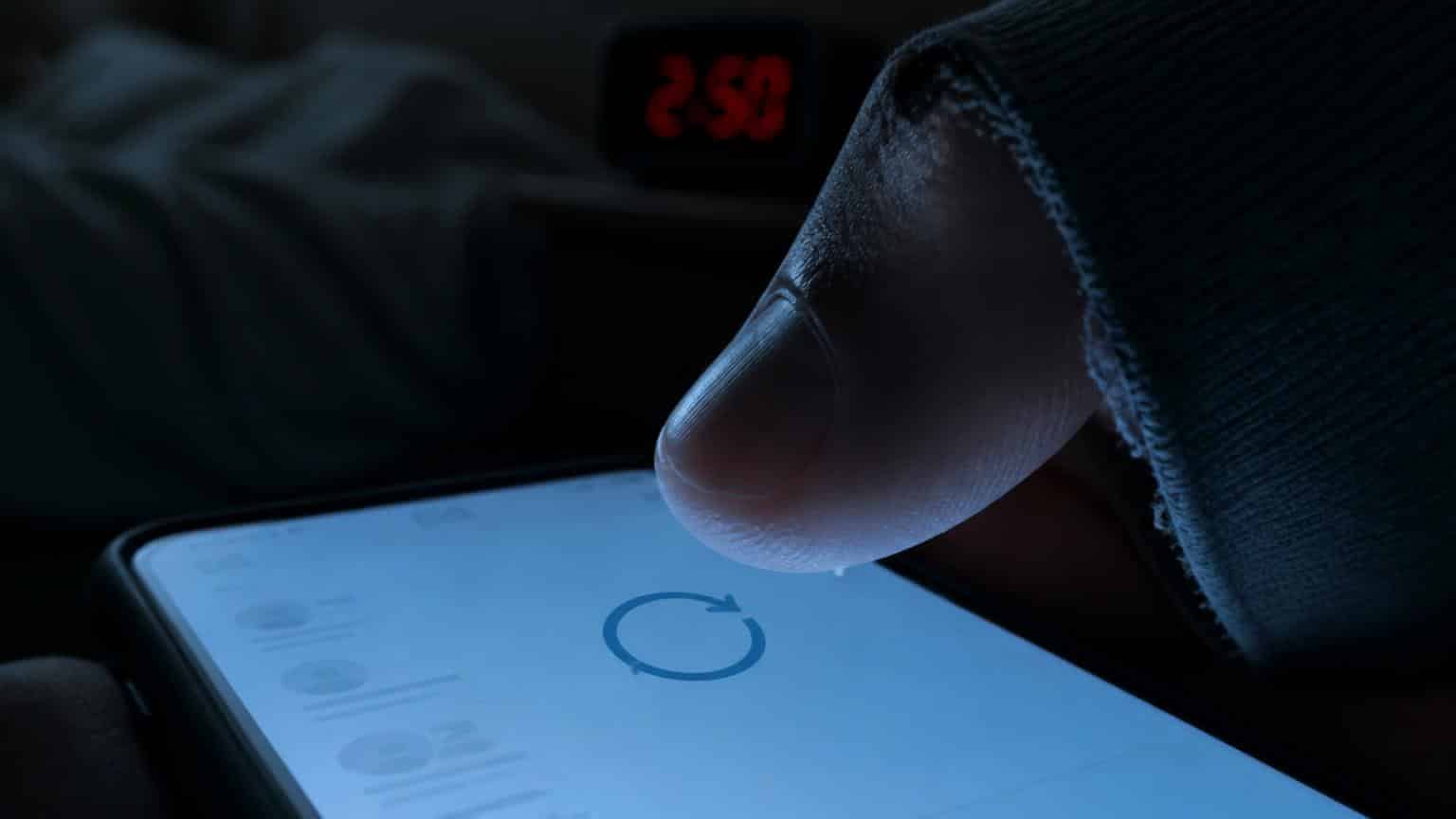
If you can’t focus on a conversation or make plans, it’s not because you don’t care. Part of your brain is still refreshing that tab. That’s not a character flaw. It’s what suspended animation feels like from the inside.
Your body is keeping score, even if you’re not
Waiting isn’t passive, even when it looks like nothing is happening. Your nervous system treats uncertainty almost like a low-grade threat. It can’t decide whether to relax or stay alert, so it tries to do both, day after day, for as long as this lasts.
That’s why your exhaustion may not match what you’ve “done.” You haven’t run a marathon. You’ve just been bracing.
If you’re waiting on a medical result, whether it’s a biopsy, scan, or fertility test, the strain can feel even heavier because the stakes are deeply personal. If that’s where you are, this deserves to be said plainly: talking to your doctor about realistic timelines, or to a therapist about the anxiety itself, is a genuinely strong move.
It doesn’t mean you can’t handle this. Getting help with the waiting and getting help with the outcome are separate, valid needs.
You’re not weak for being this tired
It’s easy to think you should be handling this better. Other people seem to wait just fine. They go to work, laugh at things, and don’t look like they’re carrying anything.
But you don’t know what’s happening under the surface for them, either.
Being exhausted by an unanswered question isn’t weakness. It’s what happens when you care deeply about an outcome but have no way to influence it. Caring doesn’t switch off just because the wait drags on.
A very old kind of dark
People have sat in rooms like this for a very long time. They’ve waited without knowing, unable to move forward or fully look away, hoping for a word that hadn’t come. Some of the oldest stories ever written describe this same stuck place, long before anyone called it anxiety.
You don’t have to believe anything in particular to find some comfort in that. It simply means this feeling isn’t new, and it isn’t only yours.
What to do with your hands while you wait
You can’t make the answer arrive faster. You can, however, choose what to do with some of the hours in between:
- Set specific times to check. Pick two windows instead of checking all day, then let the rest of the day stay check-free.
- Tell one person, out loud, what you’re waiting for. Carrying it silently makes it heavier than it needs to be.
- Do something physical each day that has nothing to do with the outcome. Take a walk, shower, or cook something. Your body needs proof that life is still moving.
- Let yourself be tired without apologizing. You’re not lazy. You’re holding something that takes real energy.

None of this will shorten the wait. It may make it a little more bearable, though, and right now that might be enough.
The waiting isn’t nothing. It’s one of the heaviest things a person can carry, precisely because no one else can see the weight.
You’re not alone in this particular dark
Whatever you’re waiting for, whether it’s a result, offer, reply, diagnosis, or someone else’s decision, you don’t have to perform being okay. You’re allowed to be tired in a way that may not make sense to people who aren’t living through it with you.
You don’t have to do anything with this article. Just let this be true for a moment: this kind of tired is real. It has a reason. And it won’t last forever, even if time feels strangely endless right now.
You’re not the only one sitting in a dark room, listening for a sound.
Leave a Reply