

Maybe you said it in your car with the windows up. Or maybe you only thought it, then felt guilty for letting the thought enter your mind.
You’re angry at God. And part of you wonders if that anger means your faith is failing. It doesn’t. Anger can be part of an honest relationship with God. Scripture doesn’t hide it or clean it up. It shows people grieving and protesting, asking hard questions, and telling God exactly how abandoned they felt.
The Guilt Beneath the Anger
Sometimes anger isn’t the heaviest part. Guilt is. You may have learned that faithful people stay calm and grateful no matter what happens. Then a prayer goes unanswered. A diagnosis changes everything. Someone you love dies. Now you’re carrying the loss itself along with the fear that your response makes you a bad Christian.
It doesn’t. Faith doesn’t require you to pretend pain feels peaceful. God already knows what’s happening inside you. Hiding it doesn’t protect him, and your honesty doesn’t frighten him.
Job Cursed the Day He Was Born
Job lost nearly everything. His children died, his health collapsed, and the life that once felt secure disappeared. When his friends arrived, he didn’t offer them a polished testimony. He cursed the day he was born and said he wished he had never lived. He demanded answers from God. He called his suffering unfair. 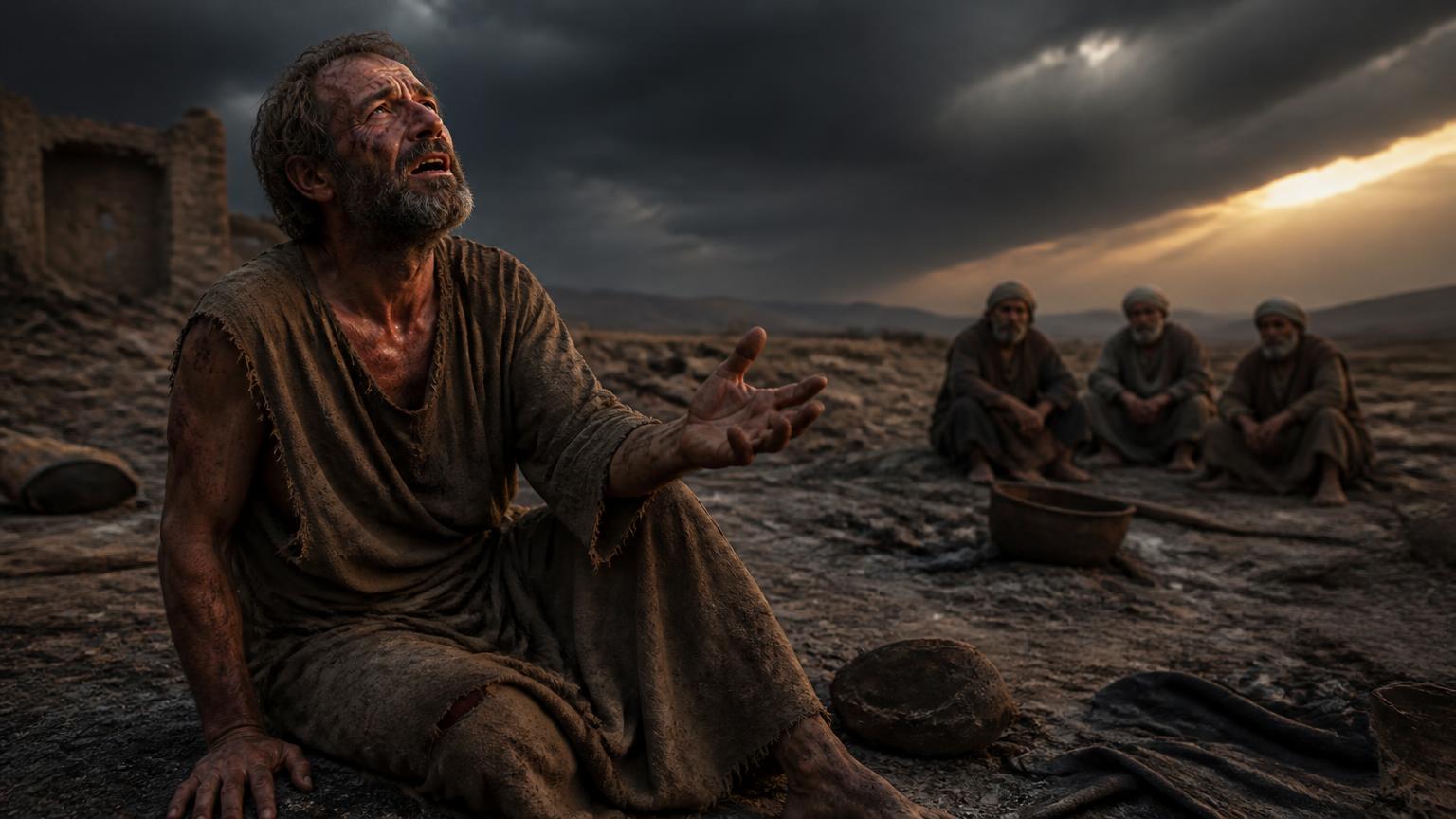 His words were raw. Some came from grief and limited understanding. God later challenged Job, reminding him that he couldn’t see the whole picture. But God didn’t reject him for speaking honestly. Job brought his anger to God instead of covering it with religious language.
His Friends Tried to Explain Everything
Job’s friends needed his suffering to make sense. They assumed he must have done something wrong. While defending their ideas about God, they blamed the wounded man sitting in front of them. At the end of the story, God rebuked them. He said they had not spoken rightly about him as Job had.
The wounded man who argued with God came closer to the truth than the men who explained away his pain.
Job didn’t understand everything, and neither did his friends. The difference was honesty. Job spoke from inside his suffering. His friends reached for tidy answers so they wouldn’t have to sit with the mystery.
Anger Can Still Be Part of Faith
Anger isn’t always the opposite of faith. Sometimes it shows that the relationship still matters. You expected God to protect someone. You trusted him to answer a prayer or make his presence known. It didn’t happen the way you hoped, and the distance between what you believed and what you experienced hurts. That hurt may come out as anger. Grief often sits beneath anger. Love, fear, disappointment, and longing can all be tangled up in it.
Naming your anger won’t answer every question, but it makes room for the truth.
Elijah Needed Food and Sleep
Elijah had just lived through a public victory. Soon after, fear sent him running into the wilderness. Exhausted and alone, he sat under a tree and asked to die. God didn’t begin with a lecture. An angel gave Elijah food and water, then let him sleep. It happened twice. His body needed care before he could keep going.  Later, Elijah hid in a cave on Mount Horeb. God asked what he was doing there. Elijah answered from where he was emotionally. He said everything had fallen apart and he was the only one left. That wasn’t the whole truth, but it was how life felt to him. God let him say it. The order matters. Food and water came first. Then sleep. Conversation and direction came later. You don’t need to solve every spiritual question before you rest. Exhaustion makes pain harder to carry. Caring for your body isn’t avoiding God. Sometimes it’s the next faithful thing you can do.
What to Do With Your Anger
You don’t need to act peaceful when you’re not. Start with something small and honest.
- Say the angry sentence out loud. Prayer doesn’t need to sound polite to be real.
- Write without editing yourself. Put down what happened, what you wanted God to do, and what hurts now.
- Name what’s beneath the anger. It may be grief, fear, betrayal, loneliness, or exhaustion.
- Take care of your body. Eat something. Drink water. Sleep. Pain is harder to carry when your body is depleted.
- Tell one safe person the truth. Choose someone who can listen without rushing to defend God or explain your suffering.
If your anger is tied to trauma, depression, or grief that makes daily life difficult, talk with a licensed therapist or another qualified professional. Getting help isn’t a spiritual failure. The HisCave resources page offers a few places to begin.
You Are Allowed to Be Here
You may not feel peaceful by the end of this page. That’s okay. Job wrestled. Elijah collapsed. The Psalms include protest, confusion, and sorrow spoken directly to God. Scripture leaves those words intact because pain doesn’t have to be erased before it becomes prayer. Anger isn’t proof that you’ve walked away from God. It may be the most honest way you know to keep speaking to him. Tonight, say the truest sentence you have. Speak it aloud, write it down, or hold it silently before God. Then let yourself sleep without trying to fix everything. Elijah rested before he had his answer. You can too.
Leave a Reply